
Bathroom renovations typically take 3-6 weeks for the build phase alone, but the entire process from planning to completion often spans 2-4 months. This guide breaks down each stage of a bathroom renovation project, helping you plan realistically for the disruption ahead.
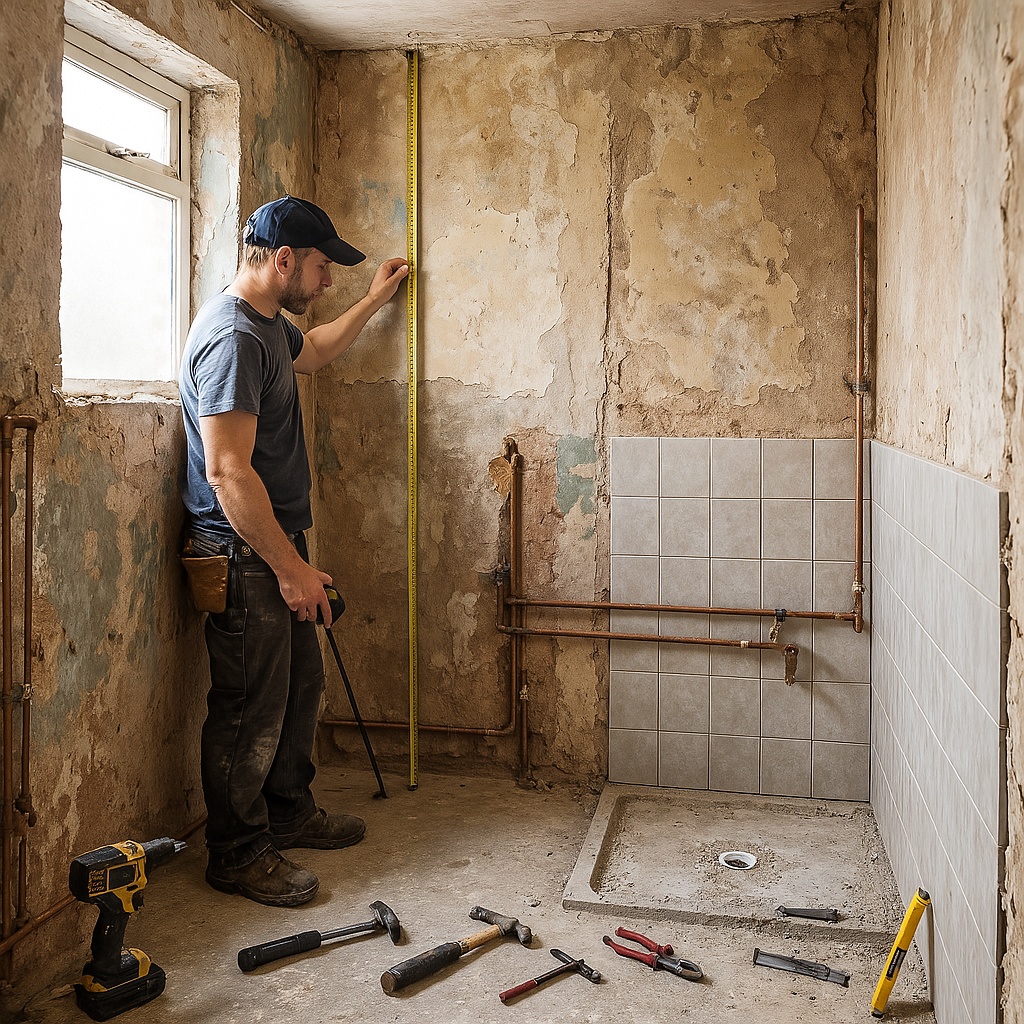
Planning Phase: 1-6 Weeks
Before any physical work begins, allow 1-6 weeks for planning and design. This includes:
- Measuring your space accurately
- Selecting fixtures, tiles, and finishes
- Obtaining quotes from tradespeople
- Creating detailed plans
- Securing any necessary building regulations approval
Planning thoroughly at this stage prevents costly delays later. For bathrooms requiring structural changes or in older properties, this phase may take longer due to the need for additional surveys or approvals.
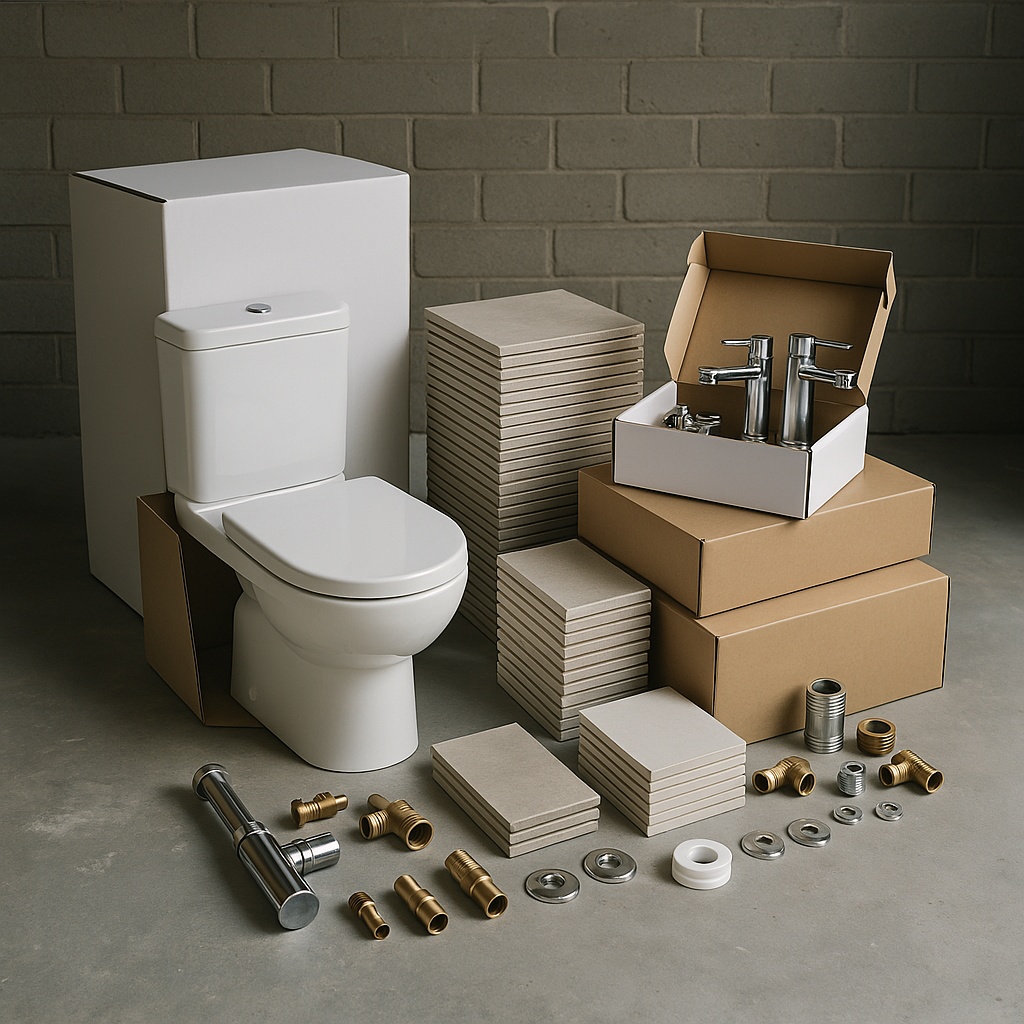
Material Ordering and Delivery: 2-8 Weeks
Once decisions are finalised, materials need to be ordered. Expect:
- 2-3 weeks for standard items
- 4-8 weeks for bespoke or custom fixtures
- Potentially longer lead times for imported tiles or specialist items
Order all materials well before your start date, checking each delivery carefully upon arrival for damage or incorrect items.
Build Phase Breakdown: 3-6 Weeks
The on-site work typically follows this sequence:
| Phase | Timeframe | What Happens |
| Demolition | 1-5 days | Removal of old suite, tiles, flooring |
| First fix plumbing and electrical | 1-6 days | Installing pipes and wires for new layout |
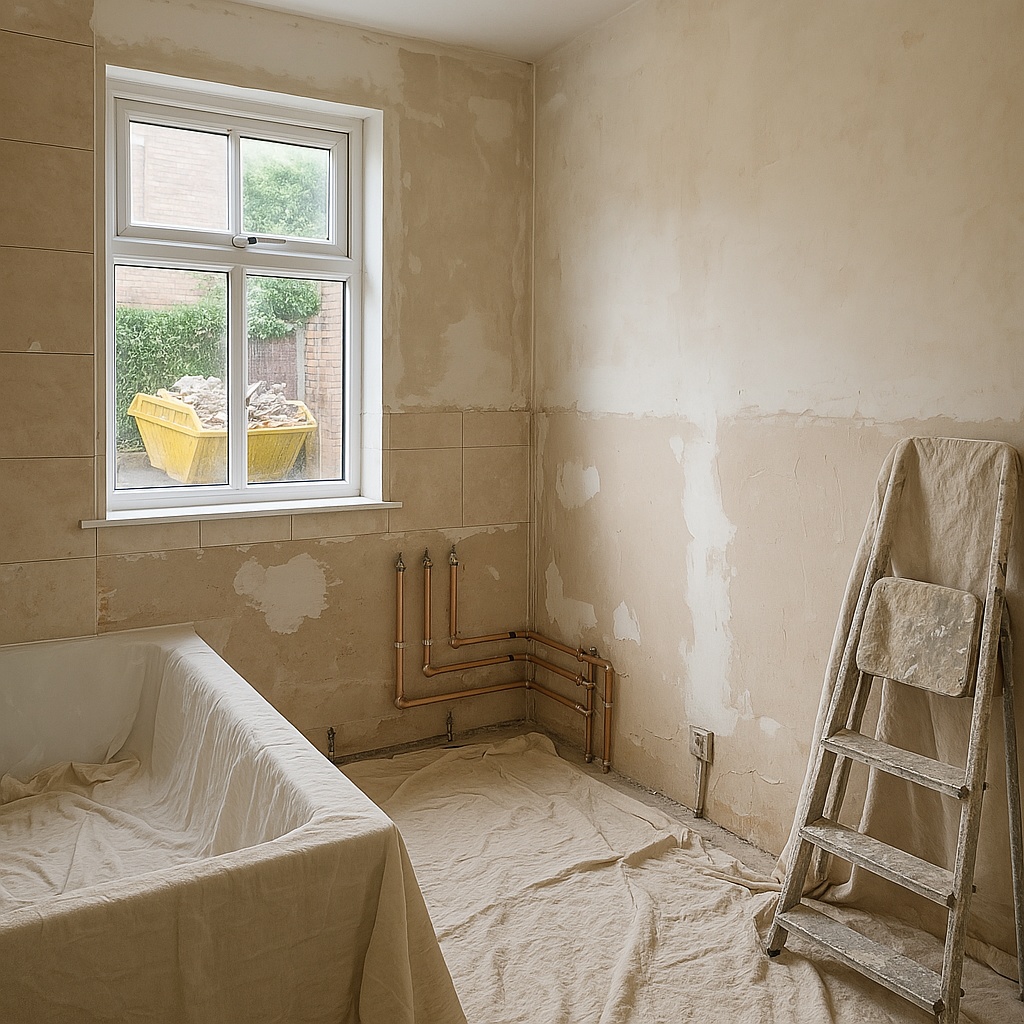
| Wall and floor preparation | 4-10 days | Boarding, plastering, waterproofing |
| Tiling | 2-10 days | Wall and floor tiling, including drying time |
| Suite installation | 1-7 days | Fitting bath, shower, toilet, basin, vanity |
| Finishing touches | 1-3 days | Painting, accessories, silicone sealing |
| Final inspection | 1-2 days | Checking for issues, making adjustments |
These timeframes assume work progresses without significant delays. Phases sometimes overlap, but certain steps (like waterproofing) require proper drying time before the next stage can begin.
Key Factors Affecting Your Timeline
Several factors can significantly impact how long your bathroom renovation takes:
1. Project Scope
Simple refreshes (replacing a suite without moving plumbing) might take just 1-2 weeks, while complete remodels with layout changes require 5+ weeks.
2. Bathroom Size
Larger spaces need more materials and longer installation time, particularly for tiling.
3. Property Age
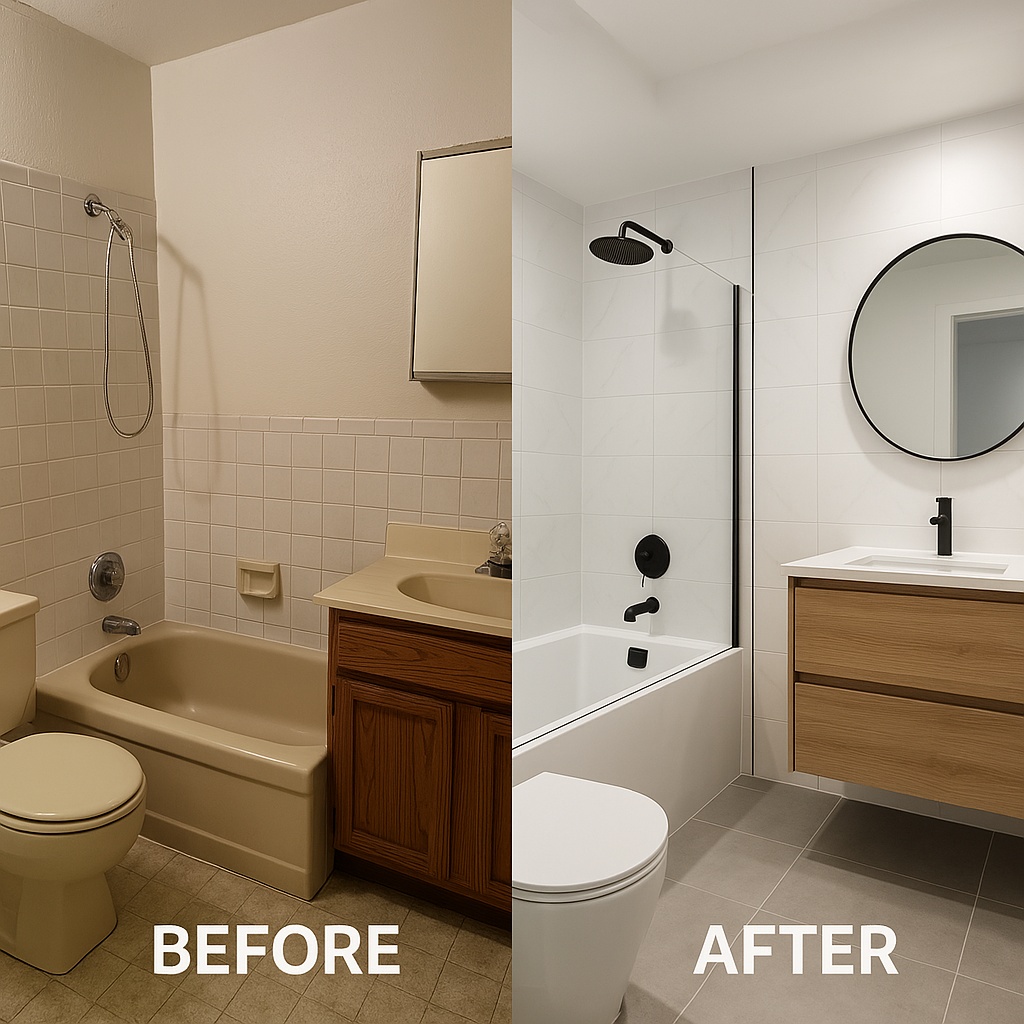
Older properties (particularly Victorian) often harbour hidden issues that only become apparent during demolition. These might include:
- Outdated plumbing requiring replacement
- Damp or rot in floor joists
- Uneven walls needing extensive preparation
- Asbestos (common in properties from the 1950s-80s)
4. Material Choices
Standard, off-the-shelf products are available quickly, while bespoke or imported items can add weeks to your timeline.
5. Trade Availability
The current shortage of skilled tradespeople in the UK means booking your preferred bathroom fitter may require securing them 4-8 weeks in advance. Good contractors are often booked months ahead.
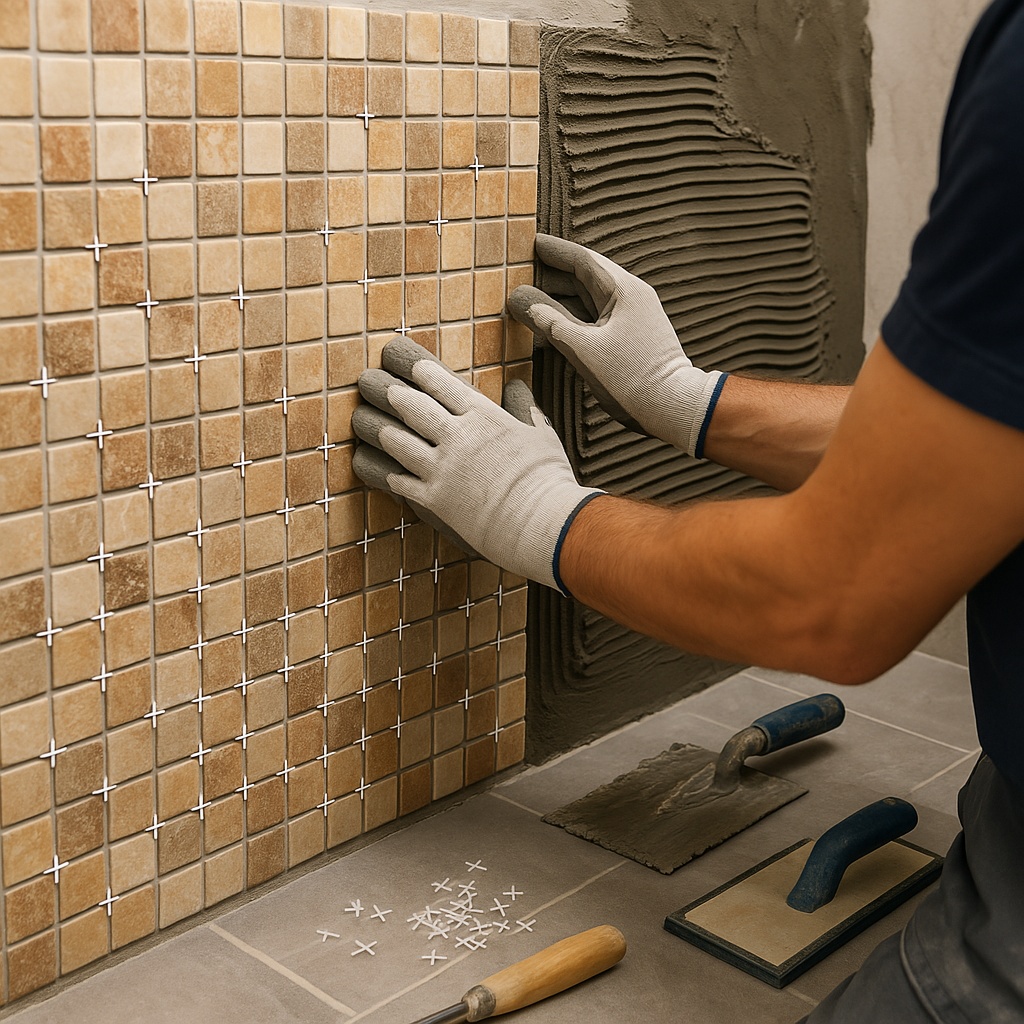
DIY vs Professional Installation
DIY bathroom renovations typically take significantly longer:
- Professional team: 3-6 weeks working full-time
- DIY project: 3-6 months working evenings and weekends
While DIY can save on labour costs (typically 40-65% of the budget), consider whether you can manage without a bathroom for an extended period. Some tasks, particularly electrical work, must legally be certified by qualified professionals to meet UK Building Regulations.
Planning Your Bathroom Renovation
To keep your project on track:
- Add a 10-20% time buffer to your expected timeline
- Book tradespeople well in advance (at least 2-3 months)
- Order all materials early, especially those with long lead times
- Make all design decisions before work starts
- Prepare alternative washing facilities for the duration
- Budget for a 10-20% contingency fund for unexpected issues
Final Thoughts
Bathroom renovations rarely proceed exactly to schedule. Weather, illness, material delays, or unexpected structural issues can all impact your timeline. Maintaining open communication with your contractor and approaching the project with realistic expectations will help manage the inevitable stress of living through a renovation.
Remember that while the disruption is temporary, you’ll enjoy the results for many years to come.