
Kitchen renovations in the UK typically take 4-8 weeks for the installation phase, but the entire project – from initial planning to final touches – often spans 3-6 months. Understanding the timeline helps set realistic expectations and minimise stress during this disruptive period.
Planning and Design: 1-8 Weeks
The planning stage is crucial and typically requires:
- 1-2 weeks for basic planning
- 2-4 weeks for detailed design with a professional
- 4-8 weeks for complex layouts or bespoke designs
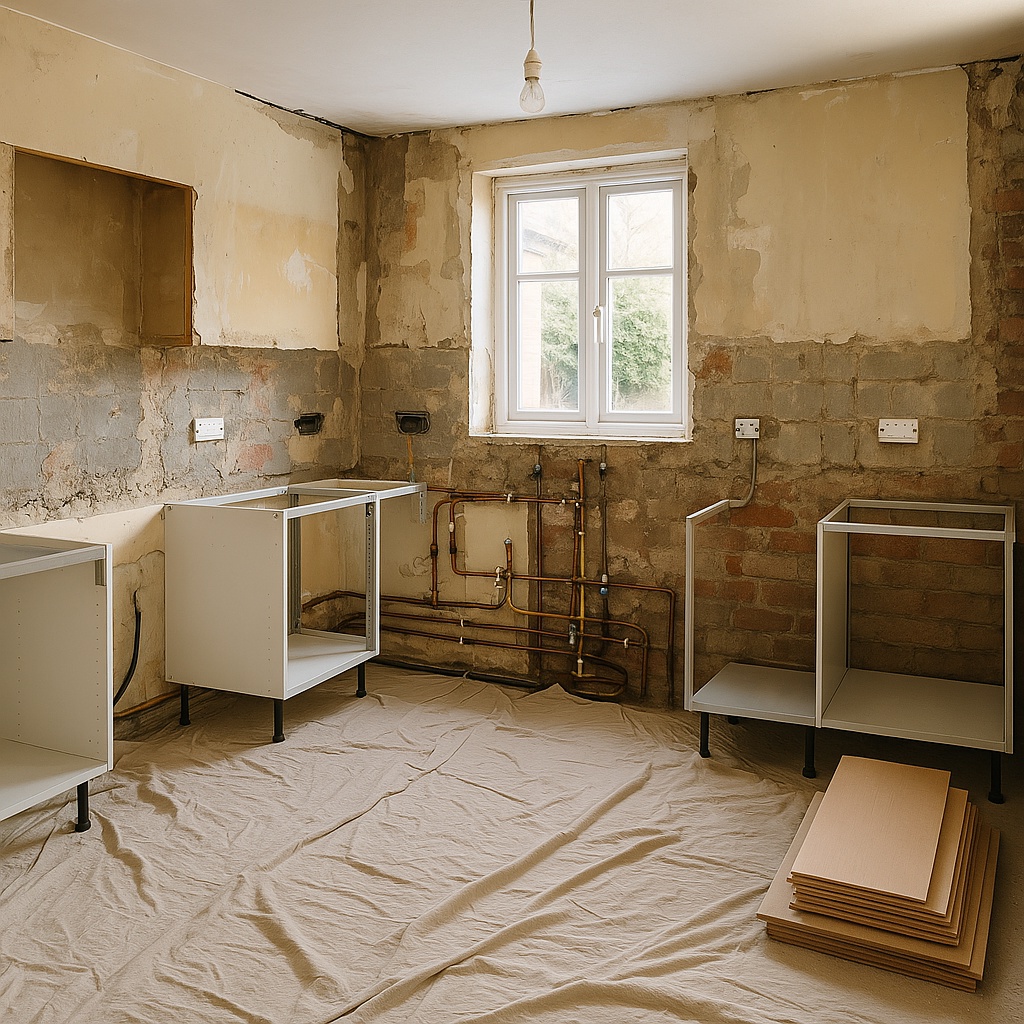
During this phase, you’ll measure your space, determine layout options, select appliances, choose materials and finishes, and finalise the design. Taking time here prevents costly mistakes later – changing plans once work has begun significantly extends timelines and increases costs.
Ordering Materials: 2-16 Weeks
Material lead times vary considerably:
- Stock kitchen units: 2-4 weeks
- Standard worktops: 2-3 weeks
- Bespoke or made-to-measure cabinetry: 8-12 weeks
- Stone, quartz or custom worktops: 2-6 weeks after templating
- Imported or specialist items: 10-16 weeks
Order everything as soon as your design is finalised to prevent delays. Many kitchen fitters won’t begin work until all major components have arrived to ensure continuous progress.
Build Phase Breakdown: 4-8 Weeks
The on-site renovation typically follows this sequence:
| Phase | Timeframe | What Happens |
| Demolition and preparation | 1-7 days | Removing old kitchen, preparatory work |
| Structural changes (if needed) | 1-6 weeks | Removing walls, adding supports, building extensions |
| First fix plumbing and electrical | 2-8 days | Installing services for new layout |
| Wall and floor preparation | 2 days – 3 weeks | Plastering, boarding, levelling |
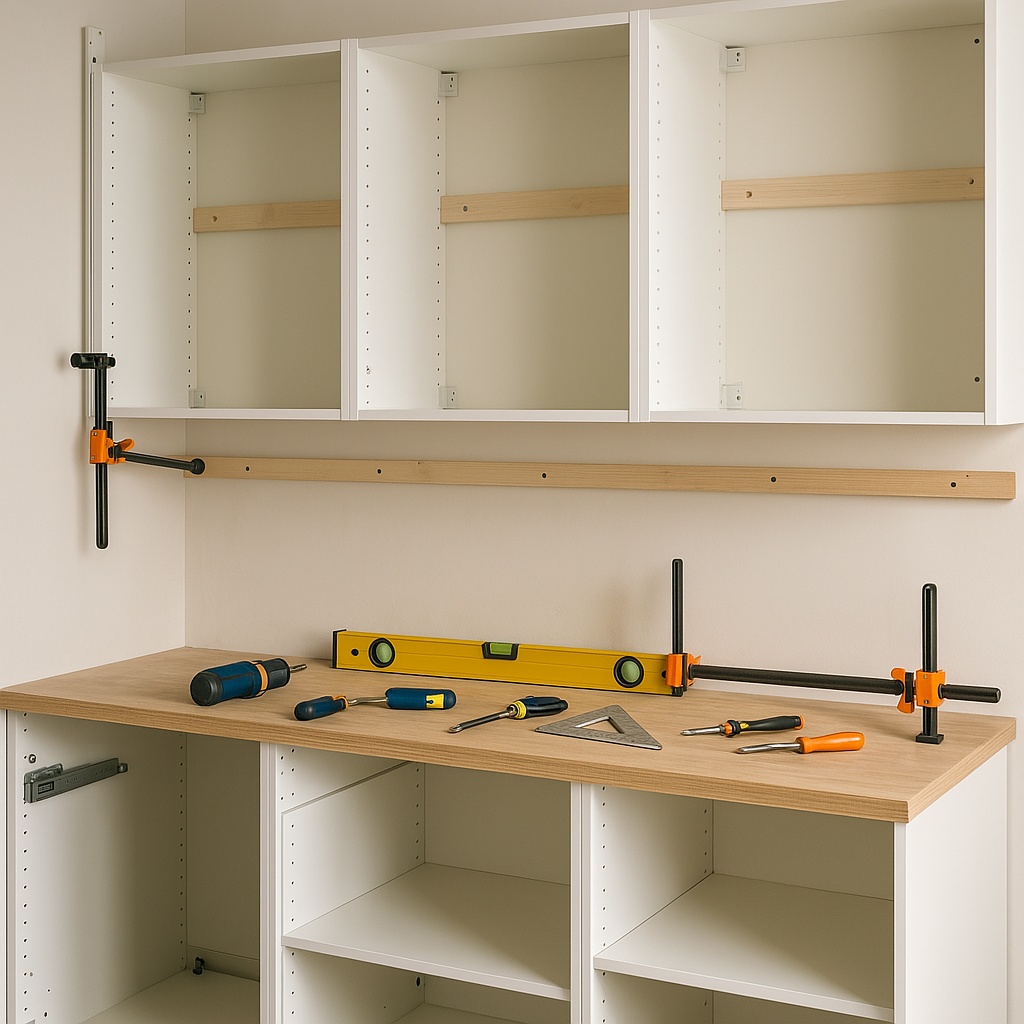
| Cabinet installation | 3-5 days | Fitting base and wall units |
| Worktop templating and fitting | 1-14 days | Measuring, fabricating (off-site), installing |
| Appliance installation | 1-3 days | Fitting and connecting appliances |
| Second fix plumbing and electrical | 1-2 days | Final connections |
| Tiling and flooring | 1-4 days | Installing splashbacks and floors |
| Decorating and finishing | 1-5 days | Painting, handles, final touches |
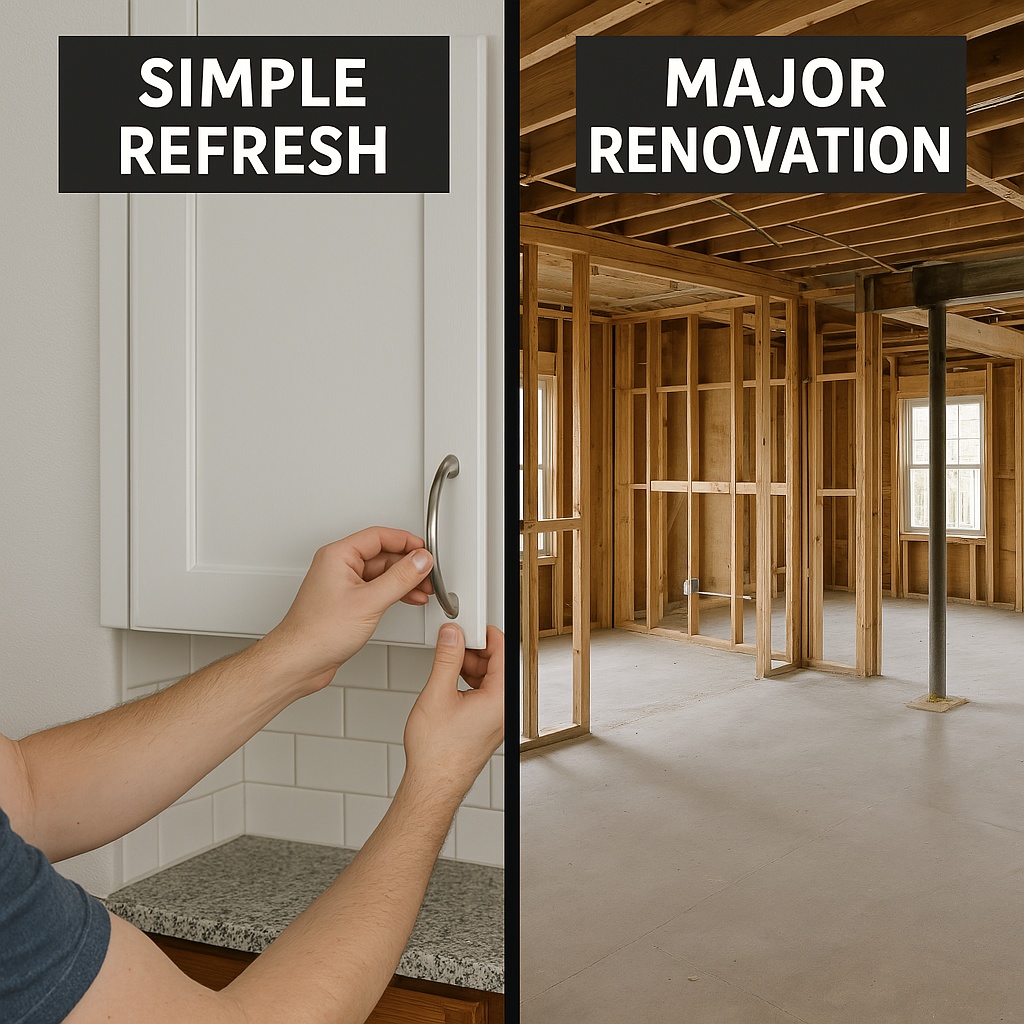
These timeframes assume work progresses without significant delays. The total duration depends on the complexity of your project, with simple like-for-like replacements potentially taking just 2-3 weeks, and major renovations with structural changes requiring 8+ weeks.
Factors Affecting Your Timeline
Several key factors influence how long your kitchen renovation takes:
1. Project Scope
Cosmetic updates (replacing doors or worktops) might take just 1 week, while complete remodels with layout changes require at least 4-8 weeks. Kitchen extensions add significant time, potentially 12+ weeks.
2. Kitchen Size
Larger kitchens require more materials, longer installation time, and potentially more tradespeople coordinating their work.
3. Property Age
Older homes often present unexpected challenges:
- Uneven floors and walls
- Outdated or non-compliant electrical systems
- Hidden damp or structural issues
- Potential asbestos in properties from certain eras
These issues typically only become apparent after demolition begins, adding time for assessment and remediation.
4. Material Choices
Standard, off-the-shelf kitchens install more quickly than bespoke designs. Similarly, laminate worktops can be cut and fitted on-site, while stone or quartz requires templating, off-site fabrication, and a second visit for installation.
5. Trade Availability
The current shortage of skilled tradespeople in the UK means good kitchen fitters, plumbers, and electricians are often booked months in advance. This shortage can also affect scheduling if additional trades are needed for unexpected issues.

DIY vs Professional Installation
While DIY kitchen renovations can save on labour costs (typically 40-50% of the budget), they take considerably longer:
- Professional team: 4-8 weeks of full-time work
- DIY project: Often 3-12 months working evenings and weekends
Additionally, certain tasks like gas and electrical work legally require certified professionals in the UK. Most homeowners opt for a hybrid approach – hiring professionals for specialist work while handling simpler tasks themselves.
Planning Your Kitchen Renovation
To keep your project on track:
- Plan thoroughly before beginning
- Secure contractors 2-3 months in advance
- Order all materials early, particularly those with long lead times
- Add a 2-3 week buffer to estimated timelines
- Set up a temporary kitchen elsewhere in your home
- Include a 10-20% contingency fund for unexpected issues
- Avoid changing plans once work has begun
Final Considerations
Kitchen renovations rarely follow exact schedules. Material delays, trade availability, unexpected structural issues, and even weather can impact timelines. Maintaining clear communication with your contractor and approaching the project with realistic expectations will help manage the inevitable stress.
Remember that while kitchen renovations are among the most disruptive home improvements, they also offer some of the highest satisfaction rates and potential returns on investment. The temporary inconvenience leads to a space you’ll enjoy for many years.
When planning your renovation, prioritise what matters most: Is speed essential, or is achieving the perfect finish worth a longer timeline? Understanding this balance helps set appropriate expectations for your project.